
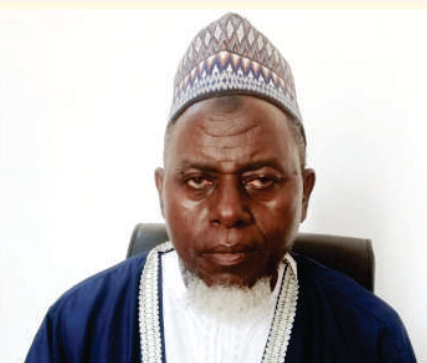
AbdusSalam warns against academic dishonesty
By Muizdeen Adewole
The Chief Imam of the University of Ilorin Central Mosque, Prof. Nasir AbdusSalam, has cautioned students and members of the academic community against all forms of academic dishonesty, describing integrity as the indispensable foundation of genuine scholarship and sustainable academic excellence.
Speaking during an exclusive interview with UNILORIN Bulletin penultimate Friday (June 26, 2026), the cleric-don warned that examination malpractice, plagiarism, falsification of research findings, and other unethical academic practices erode the credibility of educational institutions and ultimately undermine national development.
Prof. AbdusSalam noted that academic success should never be measured solely by grades or certificates but by the honesty, discipline, and responsibility demonstrated in the process of acquiring knowledge.
He observed that while examinations provide opportunities to assess learning, they also test the character and integrity of students. He, therefore, urged students to resist every temptation to gain unfair advantage, stressing that lasting success is built on hard work, sincerity, and ethical conduct.
Prof. AbdusSalam further called on lecturers, invigilators, and other examination officials to discharge their responsibilities with fairness, impartiality, and professionalism, noting that preserving the credibility of the examination process requires the collective commitment of all stakeholders.
The scholar emphasised that institutions of higher learning are expected to produce graduates who are not only intellectually competent but also morally responsible. He warned that when academic dishonesty becomes widespread, society risks producing poorly trained professionals whose decisions could have far-reaching consequences in critical sectors such as healthcare, engineering, education, public administration, and aviation.
Highlighting the importance of intellectual humility, Prof. AbdusSalam encouraged students and scholars to remain truthful in their academic pursuits, acknowledge the limits of their knowledge, and avoid every form of deception or misrepresentation.
Drawing on ethical principles that promote honesty, accountability, and service to society, he maintained that integrity is a universal value that should underpin scholarship across all disciplines. He added that ethical excellence remains essential for strengthening public confidence in higher education and for producing graduates capable of contributing meaningfully to national development.
Prof. AbdusSalam urged members of the Unilorin community to approach the ongoing examinations with confidence, diligence, and integrity, reminding them that true academic excellence is defined not merely by outstanding results but by the values that guide the pursuit of knowledge.
