
Turn research to solutions, UNILORIN VC charges physiologists
By Muizdeen Adewole
The Vice Chancellor of the University of Ilorin, Prof. Wahab Olasupo Egbewole, SAN, has charged members of the Physiological Society of Nigeria(PSN) to move beyond theoretical expositions and translate their research findings into practical, affordable solutions for Nigeria’s rising burden of heart and brain diseases.
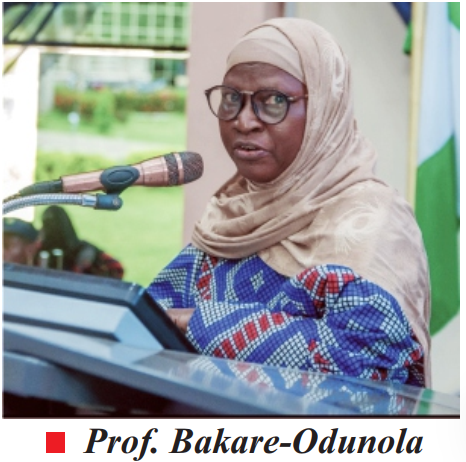
Represented by the Deputy Vice Chancellor (Academic), Prof. Moji Taibat Bakare-Odunola, at the opening ceremony of the 43rd Annual Scientific Conference of the Society held at the University Auditorium penultimate Thursday (September 17, 2026), Prof. Egbewole described the theme of the conference, “From Cells to Systems: Heart and Brain Physiology for Sustainable Wellness,” as profound and timely. He noted that it interrogates the most vital organs of human existence at a time when cardiovascular and neurological disorders pose a major threat to public health.
Prof. Egbewole stressed that sustainable wellness can only be achieved when cutting-edge research in physiology moves from the laboratory to real-life solutions for prevention, diagnosis and management of diseases.
The Vice Chancellor commended the Conference Local Organising Committee led by Prof. L. A. Olayaki and the national leadership of the PSN for sustaining the legacy of the Society since 1973. He also lauded the choice of Prof. A.B.O. Omotoso, a former Council member and former Provost of the College of Health Sciences, University of Ilorin, as Keynote Speaker, describing it as well-deserved.
In his welcome address, the Chairman, Local Organising Committee and Dean, Faculty of Basic Medical Sciences, Prof. Luqman A. Olayaki, said it was a great joy to host the national conference for the second time after the University hosted the 28th edition in 2008 at its mini-campus. He noted that based on the number of abstracts submitted, participants were expected from across the country and beyond, with majority choosing physical attendance despite provision for virtual participation. Prof. Olayaki thanked the Vice Chancellor and the University management for their generous support.
Also welcoming participants, the President of the Physiological Society of Nigeria, Prof. Samuel B. Olaleye, described the gathering as a special opportunity for scholars, researchers, educators, clinicians and students committed to advancing the frontiers of physiology in Nigeria and beyond.
Prof. Olaleye said that the annual conference remains a vital platform for scientific exchange, professional networking, mentorship and collaboration, expressing confidence that this year’s meeting would be intellectually rewarding and socially enriching. He urged participants to fully engage in the rich programme of keynote lectures, plenary sessions, paper presentations, panel discussions and interactive sessions to share ideas, build new partnerships and inspire the next generation of scientists.
In his presentation, the Dean of the Faculty of Clinical Sciences, Prof. Kolawole W. Wahab, called for renewed attention to the prevention, early detection and effective management of hypertension, describing the condition as a dominant modifiable risk factor for stroke and a major contributor to the escalating neurological disease burden in Africa. He noted that controlling hypertension could substantially reduce both the incidence and mortality associated with stroke, while stressing that achieving and maintaining optimal blood pressure control remains a major challenge, particularly in low- and middle-income countries.
The don further advised patients diagnosed with hypertension to adhere strictly to prescribed treatment and medical guidance, cautioning that the management of blood pressure in patients with cerebrovascular disease requires careful consideration.
He explained that chronic hypertension alters cerebral autoregulation, making the brain adapt to persistently elevated blood pressure, such that an abrupt and excessive reduction could compromise cerebral perfusion and potentially worsen ischaemia.
Prof. Wahab also emphasised the need to regard stroke as a medical emergency requiring prompt recognition and intervention. He explained that the brain is highly dependent on continuous blood flow, with permanent damage beginning within minutes of prolonged interruption of oxygen and energy supply. He, therefore, stressed the importance of timely intervention, particularly because the consequences of delayed treatment can become severe and irreversible.
Against this background, Prof. Wahab advocated a more coordinated approach to stroke prevention and management, particularly in the African context where the burden of the disease remains disproportionately high. He stressed the importance of combining effective hypertension control with appropriate, stroke-specific management of blood pressure, noting that the physiological considerations differ between acute ischaemic stroke and intracerebral haemorrhage.
Moving from the immediate challenge of neurological disease to the broader question of how such challenges can be addressed through research, Prof. Bamidele Victor Owoyele urged Nigerian scientists to rethink the way neuroscience research is conceived and developed, arguing that local populations, clinical problems, biological diversity, existing expertise and cultural realities should be treated as research assets rather than limitations.
Prof. Owoyele advocated a three-pronged approach of starting locally, connecting intelligently through networks and partnerships, and translating scientific discoveries into measurable health and policy outcomes.
Prof. Owoyele noted that Nigeria’s large and diverse population, growing pool of multidisciplinary experts and proximity between universities and teaching hospitals provide opportunities for research capable of generating evidence of global relevance. He, therefore, advised researchers to formulate questions from local clinical and community realities, particularly in areas where African data could contribute meaningfully to the global evidence base, while ensuring that research questions connect physiological mechanisms to actual patient outcomes.
He further called for a shift from isolated research activities to connected research ecosystems, urging institutions to map and share existing expertise, laboratories, clinical platforms, samples, data and professional networks. According to him, shared infrastructure can generate greater scientific value than isolated facilities, while universities can strengthen research capacity through core platforms, standardised procedures, quality control, maintenance systems and collaboration across disciplines.
He also stressed that resource constraints should not be allowed to compromise scientific quality, urging researchers to uphold rigorous methods, reproducibility, transparent reporting and responsible data sharing. He noted that digital tools, open-source technologies, artificial intelligence and remote computing could expand the value of modest research resources, provided they are supported by appropriate data governance, ethics, human oversight and local ownership.
Complementing the emphasis on strengthening research and translating scientific knowledge into practical health outcomes, Prof. P. M. Kolo drew attention to the close and directional relationship between the brain and the heart.
In his presentation, “Brain-Heart Integration in Health and Disease: Understanding the Basics,” Prof. Kolo explained that the interaction between the two organs extends beyond the regulation of pulse and blood pressure, with emotional experiences such as fear, anger, love and amusement capable of influencing cardiovascular function, while signals from the heart can also affect brain function and cognitive performance.
Prof. Kolo, therefore, advised members of the public to pay greater attention to stress and other factors capable of disturbing the balance of the autonomic nervous system. He explained that stress, anger and fear can activate the sympathetic nervous system, increasing heart rate and blood pressure, while heart-rate variability provides an indication of the balance between the body’s sympathetic and parasympathetic systems. He added that lower heart-rate variability may be associated with fatigue, high stress, poor sleep and illness, underscoring the importance of practices that support recovery and cardiovascular wellbeing.
The expert further advised people living with diabetes to undergo appropriate medical evaluation for cardiovascular and autonomic complications. He explained that autonomic neuropathy associated with diabetes could manifest in several ways, including postural hypotension, resting tachycardia, gastrointestinal disturbances, excessive sweating while eating and erectile dysfunction. He stressed the importance of good glycaemic control, noting that evidence of autonomic neuropathy is common among people living with diabetes.
Prof. Kolo also urged healthcare professionals and members of the public to take cardiovascular warning signs and risk factors seriously, particularly where conventional symptoms may be absent or less obvious. He noted that heart failure is associated with high mortality and that painless myocardial infarction may occur, particularly among older people and individuals with diabetes. He emphasised the importance of timely assessment and appropriate management, reinforcing the broader message that sound physiological knowledge is essential to understanding disease processes, improving prevention and strengthening clinical care.
