Egbewole proposes annual Alumni Day to strengthen UNILORIN advancement
…Fawole, Etudaiye, Kilani seek stronger alumni engagement
By Tajudeen Babamale
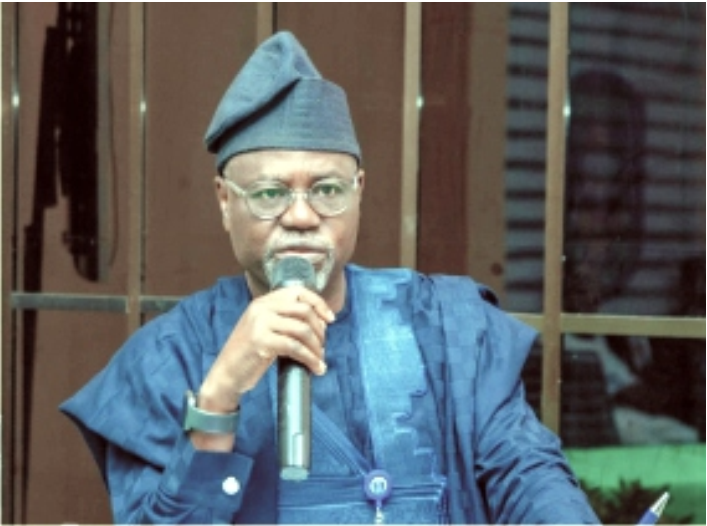
The Vice Chancellor of the University of Ilorin, Prof. Wahab Olasupo Egbewole, SAN, has proposed the introduction of an annual Alumni Day to strengthen engagement between the University and its alumni and harness their goodwill for institutional development.
Prof. Egbewole made the proposal penultimate Friday (October 2, 2026), while addressing participants at the 2nd Training Workshop of the Centre for Advancement, held at the Auditorium Basement of the University.
He said the proposed Alumni Day should bring former students together physically and virtually, similar to the engagement achieved during the University’s 50th anniversary celebration. He noted that the initiative would provide an avenue to reconnect with alumni, strengthen relationships and make them more involved in the development of the University.
The Vice Chancellor said that the University had tremendous goodwill among its alumni worldwide but needed to do more to galvanise, mobilise, sensitise and cultivate them towards its advancement goals. He also called for broader engagement within the Alumni Association, saying that many alumni might not be sufficiently connected to its activities or aware of developments within the Association.
Prof. Egbewole commended the Association for instituting prizes in honour of past presidents and distinguished alumni, describing the initiative as a way of recognising contributions to the University’s development and strengthening the bond between the institution and its alumni.
He urged the Centre for Advancement to focus not only on fundraising but also on building sustainable relationships with alumni, donors and strategic partners, stressing that successful advancement requires demonstrating the impact of support and creating value for all parties.
Speaking on “Building a Sustainable Advancement Culture: Fundraising, Alumni Engagement and Strategic Partnerships,” a former Deputy Vice Chancellor of the University, Prof. Adegboyega Adisa Fawole, urged academic and non-teaching staff of the University to embrace their responsibilities in loco parentis, saying that the quality of students’ experience could determine their willingness to remain connected to and support the University after graduation.
Prof. Fawole said that students who feel cared for, guided and connected to their Alma Mater are more likely to become committed alumni. He, therefore, urged the University to strengthen its system, promote good conduct and preserve its cultural ethos. He also proposed allocating part of the funds raised through advancement activities to support students’ ideas and innovations.
In his paper, “Alumni Relations and Engagement: From Graduates to Lifelong Partners,” the Deputy Vice Chancellor, Research, Technology and Innovation, Prof. Muhtar Adeiza Etudaiye, described alumni as beneficiaries, ambassadors, mentors, connectors, investors and strategic partners.
Prof. Etudaiye said graduation should mark the beginning of a lifelong relationship with the University, rather than its end. He cited contributions by the 2001 Engineering set, the 1991 Medical set and Dr. Tunji Olowolafe, which included water projects, research and staff development support, security infrastructure and digital anatomy equipment.
He noted that alumni contributions could go beyond financial donations to include mentorship, professional networks, research collaboration, industry connections and internships.
Meanwhile, the National President of the Association, Prof. Abdulrazaq O. Kilani, advocated a longer tenure for the Director of the Centre for Advancement to ensure continuity and the actualisation of its fundraising targets.
Presenting a paper, titled “Modern Fundraising Techniques: Annual Giving, Major Gifts, Endowments and Campaigns,” Prof. Kilani said a three-year tenure might not provide sufficient time to establish sustainable fundraising programmes and donor relationships.
He also called for carefully selected and trained advancement staff and advised the Centre to set clear fundraising targets, communicate the impact of donations and provide convenient channels such as fintech platforms, bank transfers and USSD.
On his part, the Director of the Centre for Advancement, Prof. Waheed Babatunde Yahya, described University Advancement as a platform for coordinated activities aimed at promoting institutional growth and development. He stressed that “University Advancement business is a human relations business.”
Prof. Yahya called for an advancement policy, increased annual budgetary allocation, an institutionalised career structure and retention of advancement personnel in the Centre. He also advocated a four-year renewable tenure for the Advancement Director in line with Section 2.18.1 of the New Conditions of Service for Senior Staff, the domiciliation of the Endowment Desk Officer in the Centre, and provision of essential operational tools, including a well-branded vehicle.
He said that the measures would strengthen the capacity of the Centre to mobilise resources, deepen stakeholder relationships and support the long-term development of the Centre.
